A design pressure of 12 bar is not inherently dangerous by itself.
Boiler safety depends on the design temperature, materials, geometry, wall thickness, welding quality, safety devices, inspection requirements and the design code applied. Increasing design pressure increases the mechanical requirements placed on pressure parts, but there is no universal percentage by which risk, wall thickness or service life changes.
The effect of design pressure must be calculated for the specific boiler geometry, material and design temperature. For shell boilers, EN 12953 defines requirements covering materials, design calculations, manufacturing, inspection and safety equipment. For water-tube boilers, the corresponding framework is EN 12952.
What changes when boiler pressure increases?
Higher design pressure raises the required thickness of shells, tubes and headers, tightens welding and NDT criteria, and increases the set pressure and capacity requirements of safety valves. The change is quantitative and project-specific — not a fixed risk multiplier that can be quoted without calculation.
Design pressure vs operating pressure
Design pressure is the value used for strength calculation and for sizing safety devices. Operating pressure is the steady value under normal duty and is always lower. Confusing the two leads either to under-designed protection or to unnecessary over-specification of pressure parts.
Materials and wall thickness
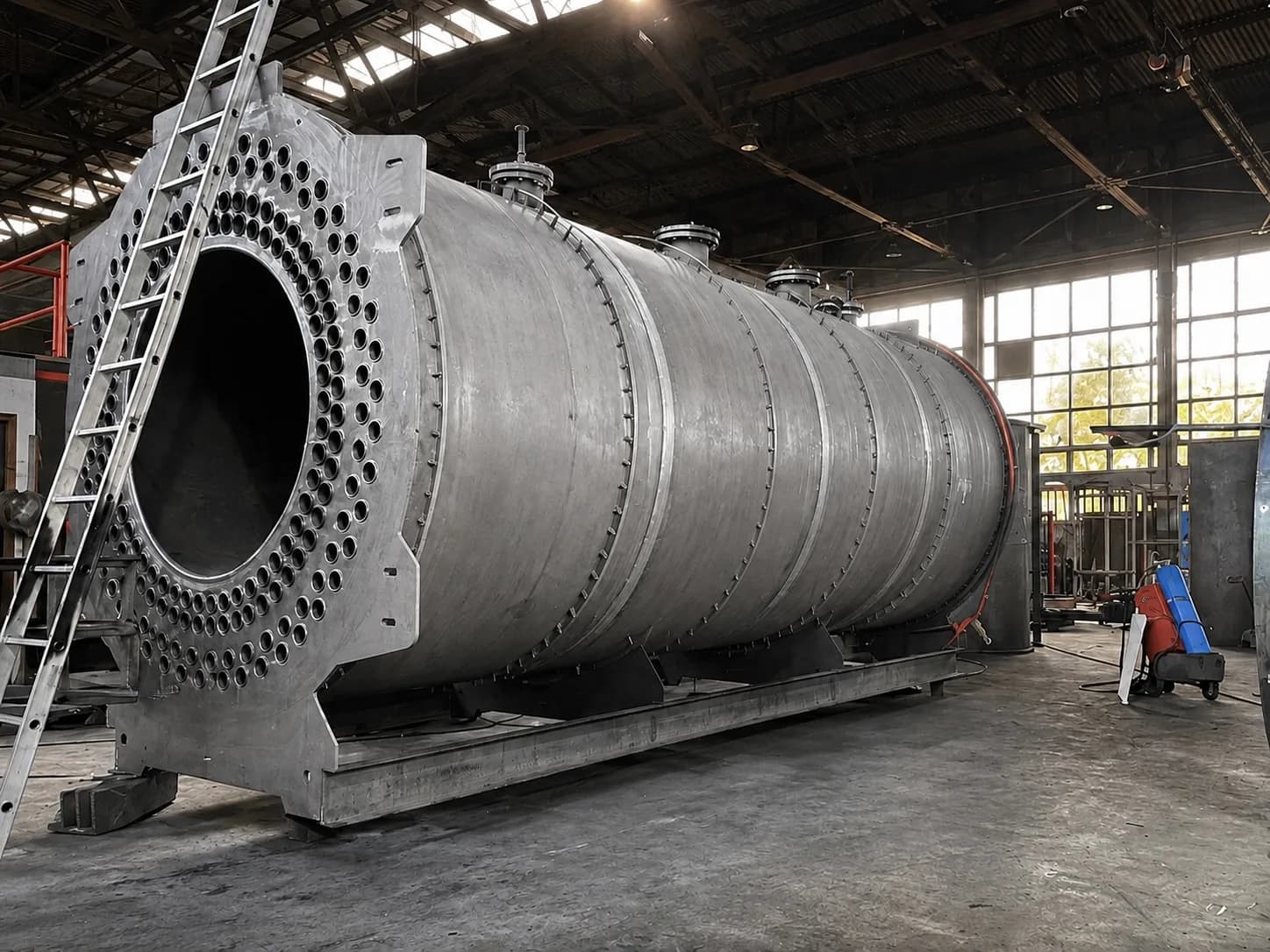
Allowable stress depends on the steel grade and the design temperature. Wall thickness follows from the design formula of the applicable code, corrosion allowance and manufacturing tolerances. The same 12 bar figure therefore produces different thicknesses for a fire-tube shell and for a water-tube header.
Welding and NDT
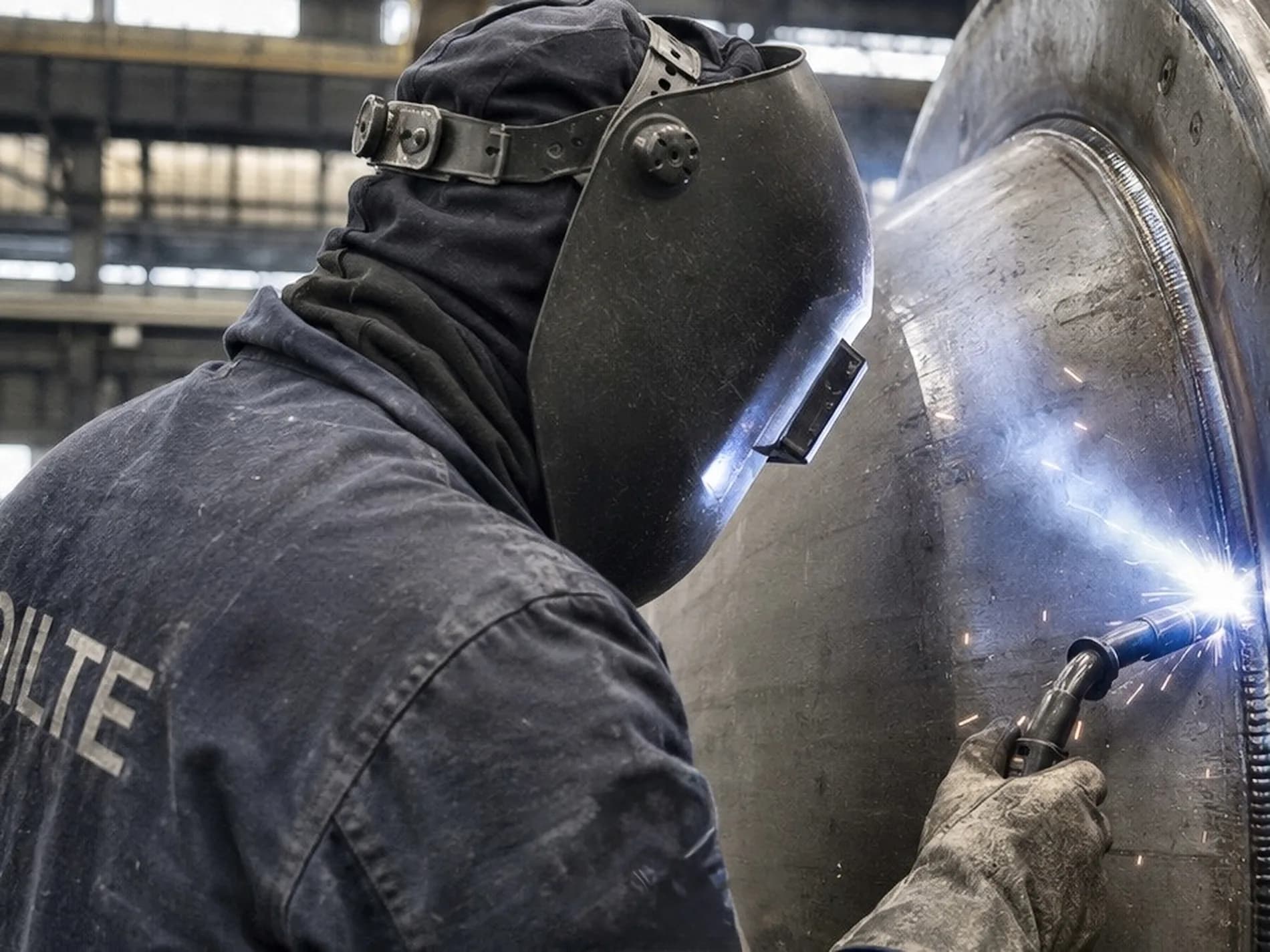
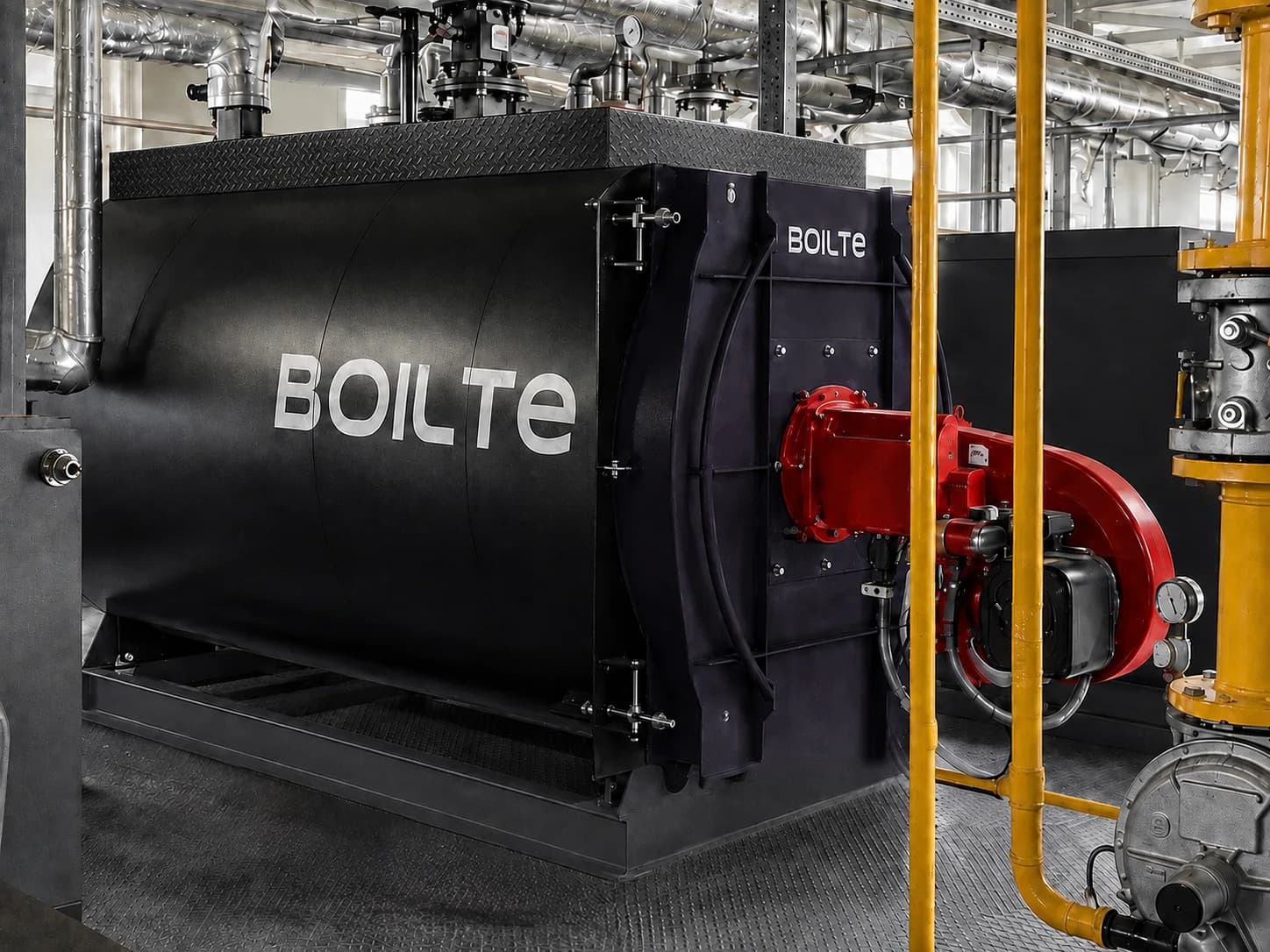
Pressure-bearing welds are produced under a qualified procedure and inspected to the extent required by the design code and the conformity assessment module. Typical methods include visual inspection, ultrasonic testing and radiographic testing of critical seams. Documented NDT is part of the manufacturing record delivered with the boiler.
Safety valves and overpressure protection
Safety valves must lift at or below the design pressure and relieve enough capacity to prevent the pressure from exceeding the code limit under the worst credible heat input. Their selection depends on steam or water capacity, set pressure and discharge arrangement — again a calculation, not a catalogue guess.
Hydrostatic testing
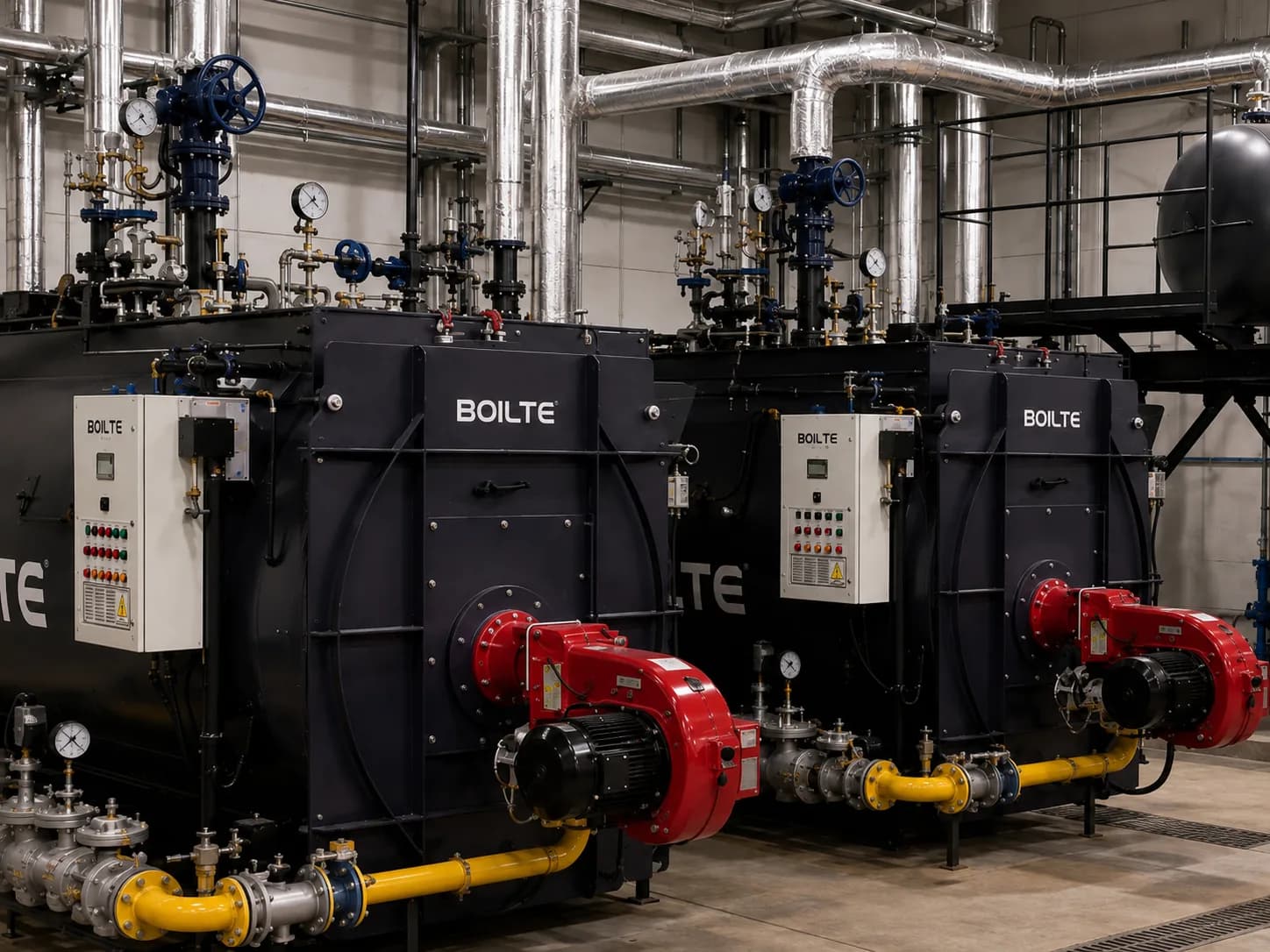
Before shipment every pressure vessel is hydrostatically tested, typically at 1.5 times the design pressure for the holding time required by the applicable standard. The test verifies integrity of the pressure envelope after fabrication; it does not replace in-service inspection.
When 12 bar is technically justified
A 12 bar design is justified when the process needs the corresponding saturation temperature, when network hydraulics require it, or when a shared steam header already runs at that level. In those cases the boiler, piping class and safety chain must be designed and certified as a consistent pressure system.
When increasing pressure gives no practical benefit
Raising design pressure above the process need adds steel, welding and inspection cost without improving the thermal duty. For space heating and many low-temperature process loops, a lower design pressure with correct temperature control is the more economical and maintainable choice.
Applicable EN / PED / ASME framework
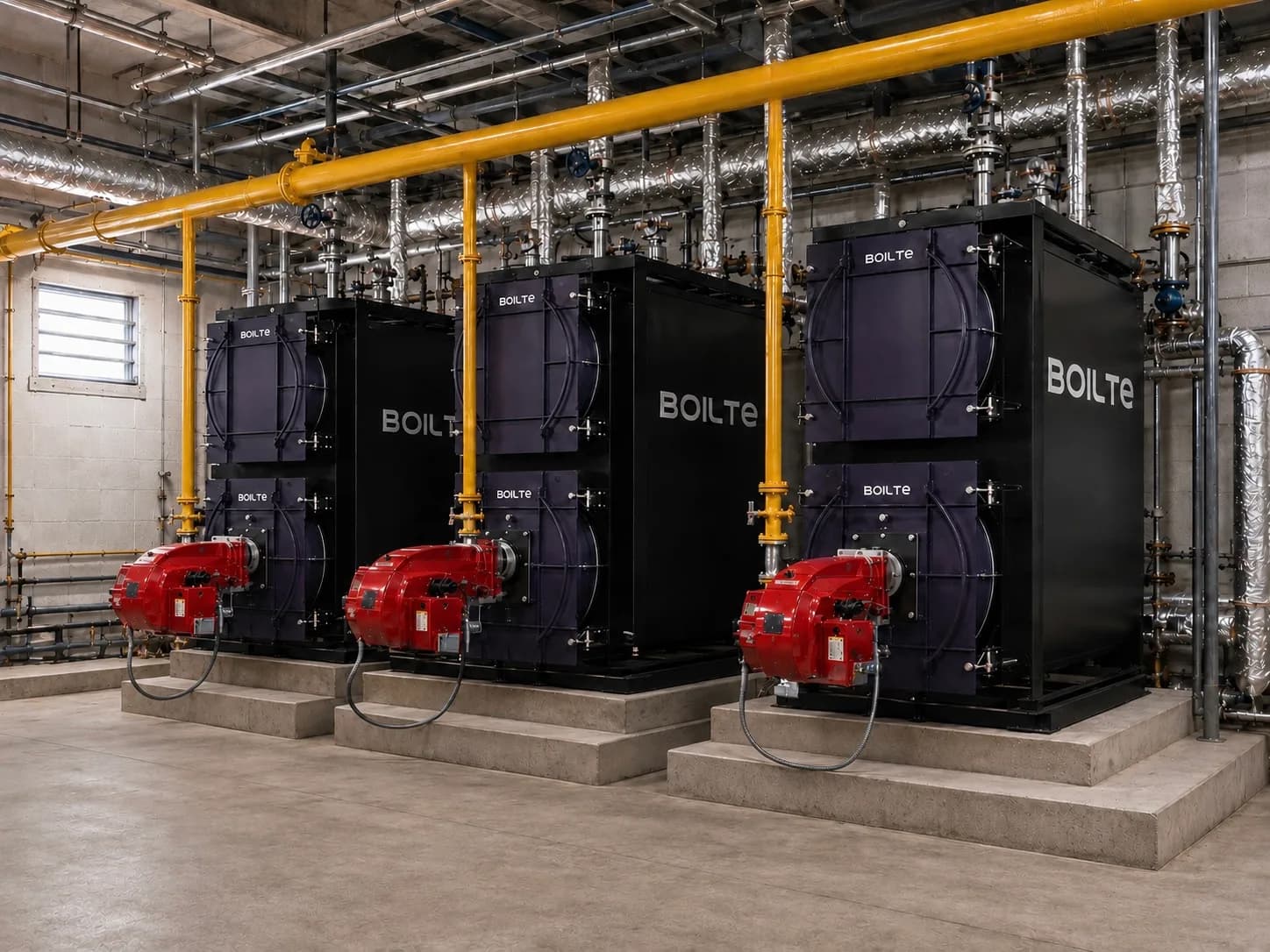
In Europe, boilers above 0.5 bar fall under PED 2014/68/EU; shell boilers are designed to EN 12953 and water-tube boilers to EN 12952. For ASME markets the relevant construction rules are BPVC Section I (power boilers) or Section IV (heating boilers), selected by duty. Certification route and marking follow the destination market and are defined in the commercial proposal.
Service life is series-specific
There is no single universal service life for an industrial boiler. Service life depends on design, operating cycles, water chemistry, corrosion, fuel, maintenance and operating conditions. BOILTE therefore specifies design service life separately for each boiler series and configuration.
Conclusion
Treat 12 bar as an engineering input, not as a hazard slogan. Specify the required operating conditions, select the design code for the destination market, and let thickness, NDT and safety devices follow from calculation. Documented inspection, pressure testing, commissioning and maintenance remain the practical controls on risk; their effect on insurance depends on the insurer, jurisdiction and project and should not be expressed as a universal percentage.
Technical review
Technical review: BOILTE Engineering Department. Last reviewed: August 2026.
Sources & standards
- PED 2014/68/EU — Pressure Equipment Directive
- EN 12953 — Shell boilers
- EN 12952 — Water-tube boilers and auxiliary installations
- ASME BPVC Section I — Rules for Construction of Power Boilers
- ASME BPVC Section IV — Rules for Construction of Heating Boilers