
01→
Technical visit
A full tour with an engineer through every workshop, the quality-control laboratory and the test rigs.
4 hours
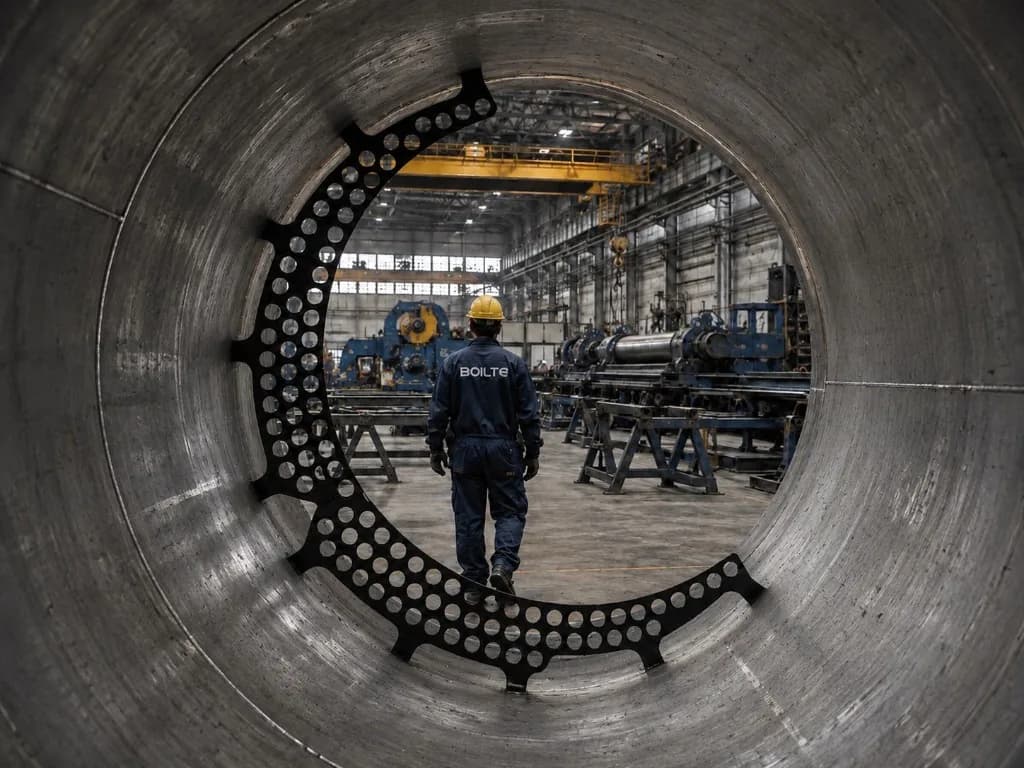
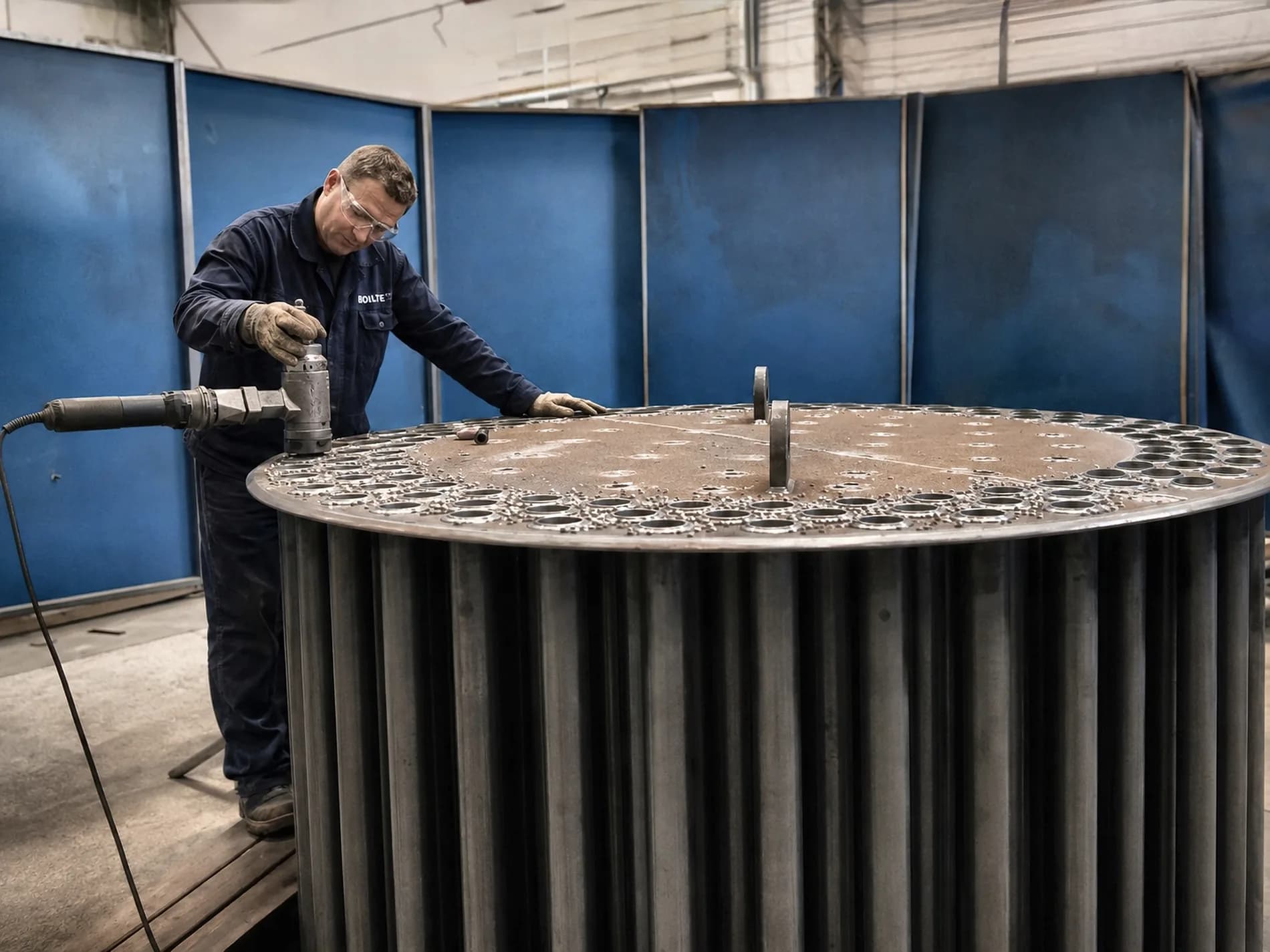
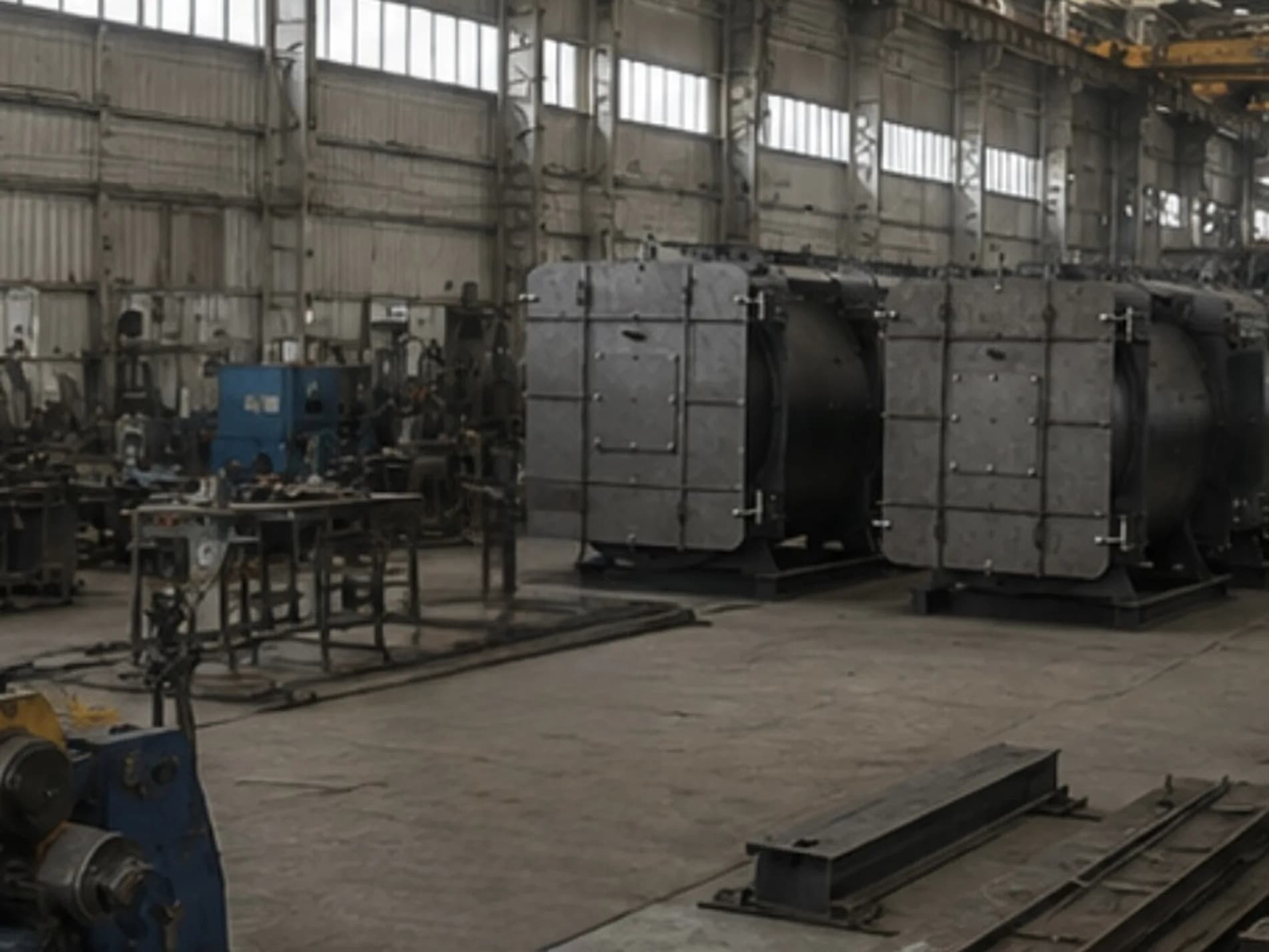
A full tour with an engineer through every workshop, the quality-control laboratory and the test rigs.
A special format for design institutes. Technical presentations and discussion of custom solutions.
For technical directors and executives considering a purchase. NDA on request.
A career-guidance visit for future engineers. Free for accredited educational institutions.
Open production is part of our policy of transparency. We do not treat the shops as a restricted zone: delegations from customers, design institutes and partners come to the site regularly, and a visit to the factory is often a routine stage of project approval before a purchase. Across 22,000 m² there are 420 people and 180 machine tools, through which up to 1,000 boilers pass every year. All of it can be seen at first hand: the route runs through working areas, not through a showroom.
An industrial boiler is bought for decades, and it cannot be judged from a catalogue. Outwardly similar products from different works differ in the quality of their welded seams, in the culture of incoming inspection of steel, and in how seriously the company treats testing. None of these signs is visible in a photograph of the finished equipment.
That is why we regard a visit not as a gesture of hospitality but as a decision-making tool. In a few hours on site you get an answer to the question that would otherwise be settled by trusting sales literature: is the works able to repeat the quality it claims across a production flow, rather than on one showpiece unit. For procurement departments and technical inspection bodies it also serves as a full supplier audit.
The programme depends on why you are coming. An engineer, a designer, a company director and a student each take something different from the same route, so we have separated the visits by depth and duration.
If your objective does not fit any of these formats — for example, you need to look at one particular stage of manufacture or to attend the testing of your own unit — say so when you send the request. The programme is put together by an engineer and is adjusted to the purpose of the trip.
The route follows the logic of building a boiler, from steel plate to a finished unit on the test rig. That sequence lets you trace how each operation affects final quality and see exactly where defective work is rejected.
Between the areas the engineer answers questions, so the actual duration depends not only on the format but on how much you ask. The four-hour technical visit is timed with exactly that margin in mind.
The value of the trip is almost entirely a matter of preparation. A visitor with a specific task leaves with a solution, a visitor without one leaves with a general impression. We ask you to define the purpose of the visit in advance: it lets us invite the right specialists and avoid spending your time on parts of the works that have nothing to do with your project.
If you have an existing site, bring the data for it: heat-carrier parameters, the characteristics of the fuel available, siting constraints, the layout of the boiler house. A conversation on the shop floor with a drawing in hand is more productive than any exchange of emails. Where the subject is the replacement of a particular unit, photographs and information on the actual condition of the boiler will be useful.
The route passes through a working factory: clothing and footwear should be comfortable and fully enclosed, protective equipment is issued on arrival, and a safety briefing is given before the walk-round begins. Some stages of manufacture are noisy, so we normally move technical questions into a meeting room before or after the tour. The composition of the group and any photography are agreed in advance.
The engineer accompanying you answers on the substance, including awkward questions. To get the most from the visit it is worth preparing them in advance — those below are the ones that most often prove useful.
If a question requires calculation, the engineer will note it and come back to you with an answer after the visit. Giving approximate figures on the shop floor, when the parameters of future equipment are at stake, is something we consider wrong.
Visits are arranged by request. Write to info@boilte.com or send an enquiry through the site, stating the format of the visit, the number of participants, approximate dates and the purpose of the trip. We will match the date to the production schedule and confirm the programme.
For educational institutions the visit is free of charge once accreditation is confirmed. For delegations discussing a specific purchase, an NDA is prepared on request before arrival. If you are at the stage of selecting a supplier, it makes sense to plan the visit before the contract is signed: a few hours at the works save months of argument during supply.
AI consultant Boilte · Boilte · selection & sizing